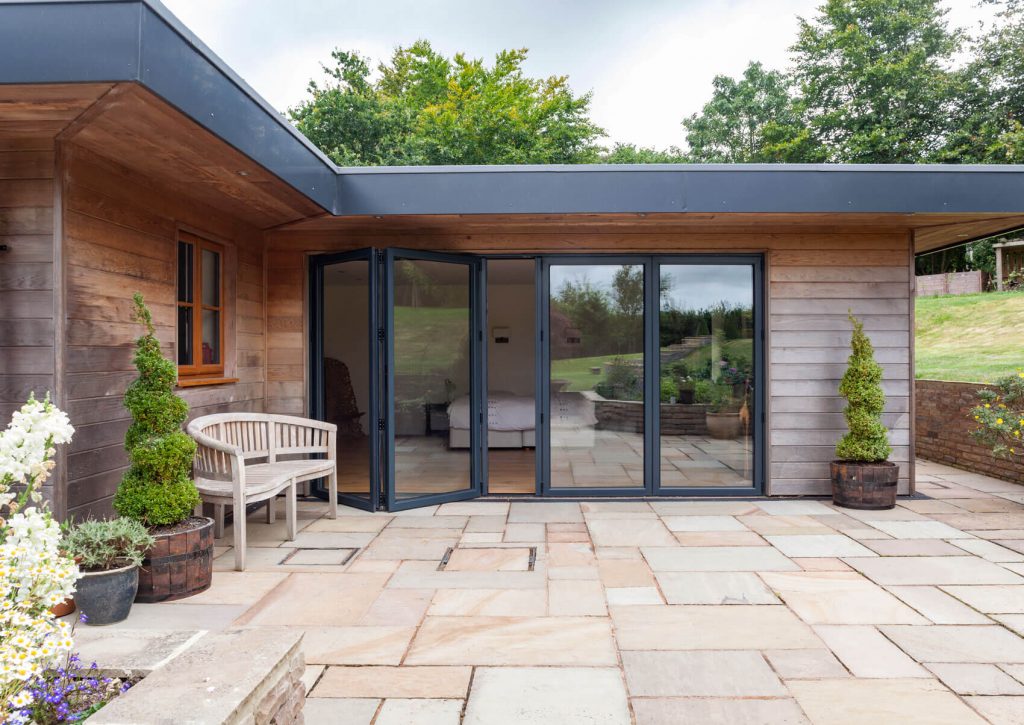
Here at Armour Windows, we specialise in supplying high-quality double glazed windows and doors that enhance thermal performance, comfort and security for homeowners across the West Midlands and Warwickshire.
Our premium double glazing products are designed to trap heat, improve energy efficiency, reduce draughts and noise, and offer robust security with multi-point locking systems and durable frames. Let us understand the differences between double glazing & triple glazing in depth, so that you can make an informed decision when making your home improvement upgrade.
What Is Double Glazing?
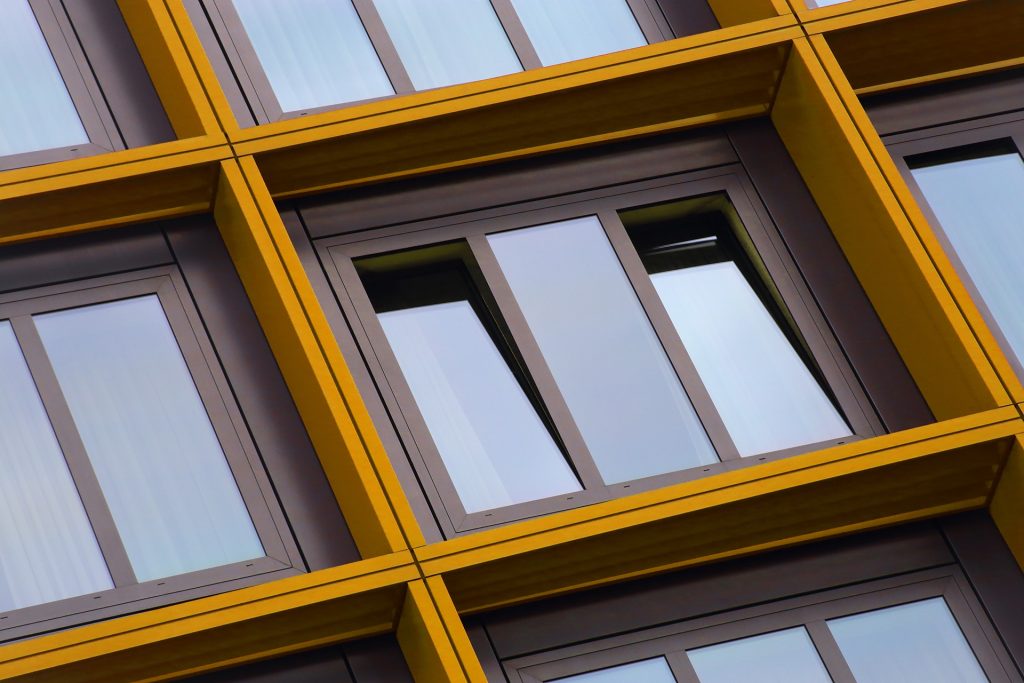
Double glazing consists of two panes of glass separated by a sealed space filled with air or an insulating gas such as argon. This design creates a thermal barrier that reduces heat transfer through the window. The warmer air inside your home is held back, while cold outside air is prevented from pushing in, keeping interior temperatures more stable. This not only improves comfort but can also reduce energy bills by lowering reliance on heating and cooling systems.
Our double glazed uPVC windows typically achieve excellent thermal performance, helping to keep homes warm in winter and cool in summer. Their multi-chambered frame profiles trap warm air, and high-quality locking hardware enhances both security and weather resistance.
What Is Triple Glazing?
Triple glazing increases the number of glass layers to three panes, with two gas-filled cavities instead of one. This extra layer adds another thermal insulation barrier, improving the window’s ability to resist heat loss. Triple glazing units are thicker and heavier, and often require frames designed to support the additional weight.
Thermal Efficiency: How Much Difference Does Extra Glass Make?
One of the most important metrics in window performance is the U-value, which measures how well a window resists heat transfer. Lower U-values indicate better insulation:
Double glazing typically achieves U-values around 1.2–1.6 W/m²K in standard installations.
Triple glazing can lower that value significantly — often to 0.8 W/m²K or below — offering up to 50% greater insulation than good double glazing.
This improvement translates into less heat escaping in winter and reduced energy costs over time, making triple glazing particularly beneficial in colder climates or for homes with high heating demands.
Noise Reduction and Comfort
Both double and triple glazed windows reduce external noise compared to single-paned glass, creating a quieter indoor environment. Triple glazing generally offers enhanced noise suppression because of the extra barrier of glass and air gaps — ideal for homes near busy roads or airports. However, the difference in decibels between high-quality double glazing and triple glazing can sometimes be modest unless acoustic glass is used specifically for soundproofing.
Triple glazing can also reduce condensation on interior surfaces because the inner pane stays warmer, which helps maintain a healthier indoor environment with fewer cold spots and potential damp problems.
Security and Durability
More panes generally make it harder for intruders to break through a window, and triple glazed units often use stronger frames and locking systems. However, double glazing with laminated or toughened glass and multi-point locks can also offer excellent security — meaning glazing choice should consider the specific glass specification and hardware, not just the number of panes.
Cost Considerations
A key factor in the decision between double and triple glazing is cost. Triple glazing typically costs 10–30% more than double glazing, due to extra materials and the need for sturdier frames and installation effort. However, the energy savings over many years can help offset this initial investment — especially in homes with significant heating requirements.
For many UK properties, especially in temperate climates, high-quality double glazing provides excellent performance and value, while triple glazing is recommended for areas with colder winters, higher noise levels or where maximum energy efficiency is a priority.
Which Should You Choose?
Double glazing is usually cost-effective, ideal for most UK homes and offers significant improvements over single glazing. It balances energy efficiency, comfort and cost.
Triple glazing delivers superior insulation and noise reduction, providing long-term savings in energy costs and added comfort — but with higher upfront cost and weight considerations.
The right choice depends on your home’s energy goals, budget, location and noise environment. Consulting our glazing specialist can help tailor the best solution. Contact us today or get a free quote from us for your next home improvement project !


